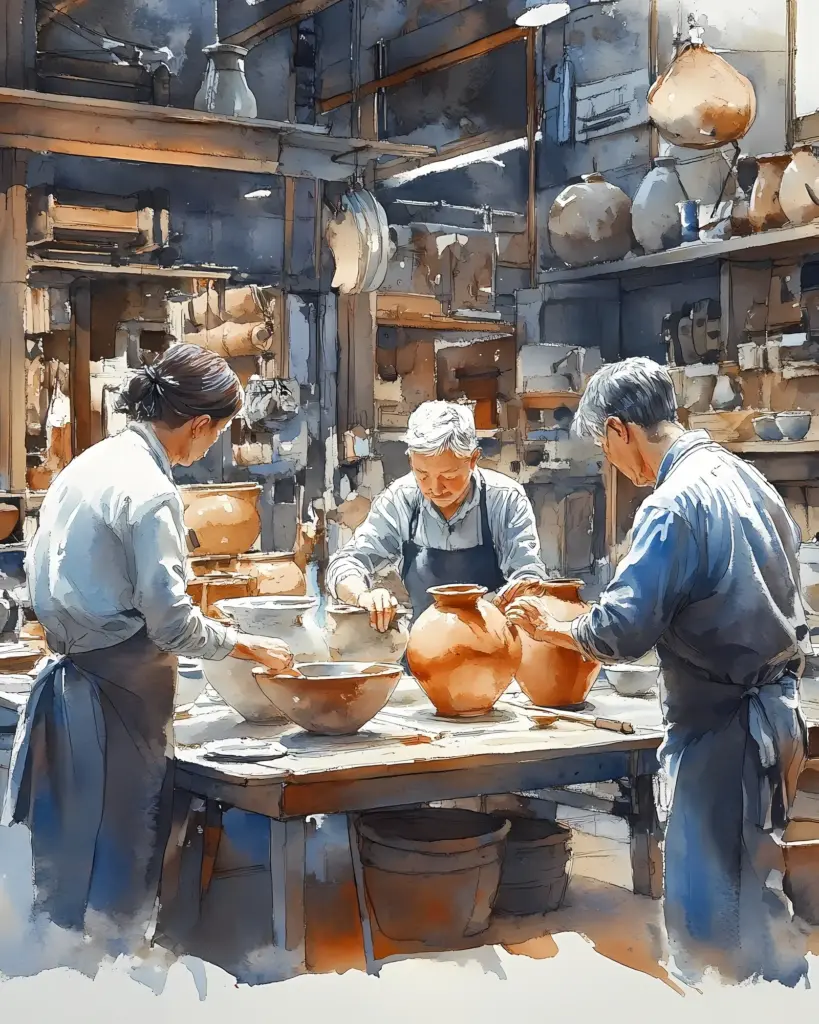
Handmade Slovenia, Purchased With Care

Today we explore where to buy local in Slovenia—an ethical guide to Slovenian craft markets and studios—so you can meet makers, verify origins, and invest in creations that honor time, skill, and place. Expect practical directions, respectful etiquette, and memorable stops that help your purchases create real livelihoods, protect traditions like Idrija lace and Ribnica woodcraft, and leave you with stories worth retelling long after the trip.

Find the Real Makers, Not the Souvenir Stands

Pay Fairly, Support a Livelihood

Choose Materials That Respect Landscapes

Ethical selection begins with what an object is made from and how that substance was grown, mined, or harvested. Prefer local woods, wools, clays, and salts shaped into durable pieces that age gracefully. Ask which forest the beech came from, whether the glaze is food‑safe, or how linen was processed. Slovenia’s mountains, coasts, and valleys inspire resilient materials; buying thoughtfully keeps those ecosystems healthier while aligning beauty with responsibility and long‑term use.

Studio Etiquette That Builds Trust

Greet makers, ask permission before photographing, and avoid blocking workspaces. Keep bags and scarves far from tools, liquids, or fragile displays. If you learn at length, consider purchasing even a small piece or leaving a tip. Respect closed days; production requires uninterrupted focus. Follow safety directions around kilns, lathes, or torches. Courteous behavior communicates shared values, making future visits welcome and ensuring your presence supports, rather than disturbs, the delicate rhythm of handcrafted production.

Gifts With Provenance

Choose objects with story cards or maker signatures, and jot a note about the place you found them—Ljubljana’s arcades, a Ribnica workshop, or a seaside stall after golden hour. Include care instructions so the recipient can love the piece longer. Provenance turns presents into invitations, letting friends trace curiosity back to the source. It also encourages makers by amplifying their names, guiding new visitors to their doors through your thoughtful gifting and joyful storytelling.

Commissioning Something Personal

Custom work begins with clarity and patience. Share measurements, photos, and preferred materials; expect sketches or samples and a deposit. Timelines may span weeks as makers balance markets, drying schedules, and family commitments. Accept expert guidance—some woods warp, certain glazes crawl, and lace motifs carry tradition. Agree on delivery and shipping methods early. A well‑planned commission becomes a collaboration, uniting your intention with local know‑how to produce an heirloom stitched with place and partnership.

Regional Trails for a Meaningful Itinerary

Let geography guide your purchases so each region’s strengths shine. Pair coastal days with salt and ceramics; let forest towns provide wood and woven goods; reserve glass and lace for places where workshops cluster. This route avoids rushed buying, encourages deeper encounters, and spreads income across communities. Use local buses, trains, and car‑shares to reach smaller villages, and pause often for conversations that reveal shops beyond maps, hashtags, and quick tourist directories.
Stroll Piran’s lanes toward Sečovlje’s salt pans for mineral‑rich crystals and gentle body scrubs. Seek ceramics influenced by sea light and wind, and admire Karst stonework shaped by generations of cutters. Expect slower afternoons and long shadows perfect for thoughtful browsing. Many artisans split time between workshops and seasonal markets; follow posted hours, and consider pre‑arranged pickups. Coastal purchases pair beautifully with inland textiles, creating balanced gifts anchored in Slovenia’s meeting of limestone, salt, and sea.
In Ribnica, utilitarian woodenware—buckets, sieves, and spoons—tells a story of resourceful forests and traveling sellers. Nearby Škofja Loka preserves medieval streets where artisans still experiment. Ljubljana concentrates galleries, pop‑up markets, and design boutiques under elegant colonnades. Collect small items early to judge luggage space before choosing larger pieces later. Between stops, ask tourist offices for cooperative directories and current events, ensuring your path crosses living workshops rather than only museums and memory plaques.
Near Rogaška Slatina, glass cutters turn light into facets; factory tours and studio visits reveal steady hands and disciplined sparkle. In Ptuj, carnival season births dramatic kurent masks crafted from wool, leather, and bells. Mountain valleys offer sturdy woolens shaped by weather and work. Schedule extra time for demonstrations, as processes cannot be rushed. Combining these regions yields a collection that feels balanced—practical, ceremonial, and luminous—reflecting Slovenia’s breadth without diluting regional identities or stories.

Plan, Pack, and Share Your Impact

Thoughtful logistics protect fragile art, honor makers’ calendars, and extend your positive influence beyond checkout. Check festival dates, studio hours, and public holidays; carry bubble sleeves and hard cases for glass or ceramics; declare food items at borders. After returning home, review shops online, tag makers on social media, and recommend ethical stops to friends. Your organized approach sustains small workshops while turning today’s purchase into tomorrow’s community of curious, respectful, returning supporters.

Seasonal Calendars and Can’t‑Miss Days

Aim for spring through autumn weekends for outdoor markets in Ljubljana and resort towns. December brings festive fairs; February lights Ptuj’s kurentovanje with masterful masks; early summer often celebrates Idrija lace. Confirm dates each year, as schedules shift. Studios may close during harvests, exhibitions, or family events. Planning visits around these rhythms yields richer encounters—lively demonstrations, fuller selections, and fresh works just finished—while reducing frustration and rushed purchases that overlook meaningful, better‑fitted alternatives.

Transport, Care, and Customs

Pack fragile items in clothing layers or dedicated sleeves; ask makers for original boxes or care notes. Carry‑on glass and lace when possible, and cushion edges generously. Check airline and border rules for knives, honey, and salts. Keep receipts handy to demonstrate value and origin. Once home, follow care instructions faithfully: oil woodenware lightly, wash ceramics by hand if advised, and store lace flat. Preservation honors the maker every time you use the piece.

Join the Conversation and Keep Learning

Follow artisans on social platforms, subscribe to newsletters, and comment thoughtfully on process posts. Share your finds with our community, recommending routes, studios, and fair‑minded tips that worked for you. Ask questions, request comparisons, and celebrate progress shots. Responsible visibility brings steady orders without overwhelming small teams. Your engagement helps makers forecast seasons, train apprentices, and plan new lines—turning one mindful purchase into a sustained partnership that keeps Slovenia’s craft spirit thriving year after year.

Dexotavolaxikento
Privacy Overview

This website uses cookies so that we can provide you with the best user experience possible. Cookie information is stored in your browser and performs functions such as recognising you when you return to our website and helping our team to understand which sections of the website you find most interesting and useful.